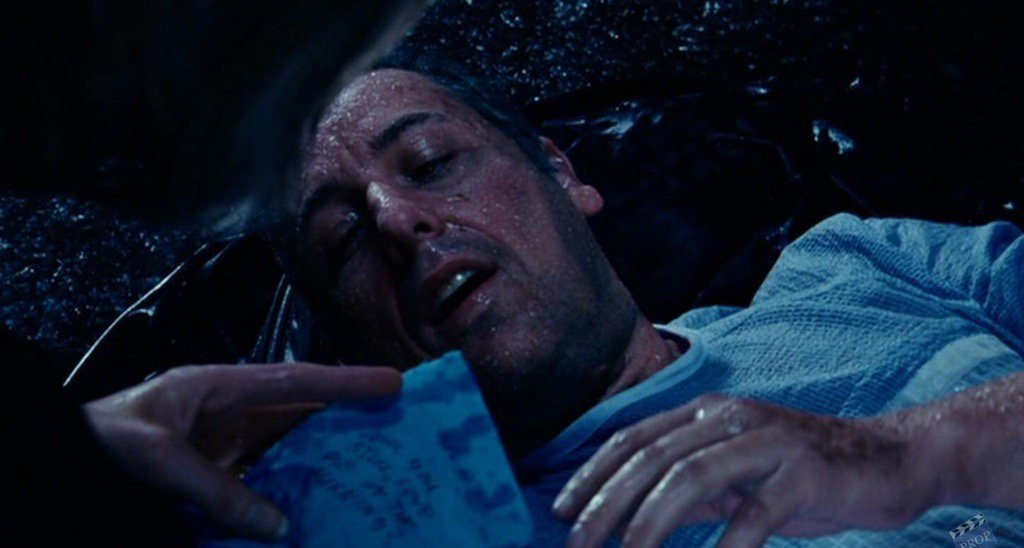
The comedy genre has always been considered to be one of the most formulaic genres within film. The elements that make us laugh are generally conventional, and certain events will occur in the plot of a comedy in order to set up a joke the viewer already expects and desires. The audience of comedy films generally consists of people looking for a short, generally not profound, entertaining, and funny experience, with a simple plot that can carve these things out. They aren’t looking for something with longevity that can be constantly rewatched and analysed, and as a result of this, usually remain fairly accessible and utilize an easy understand narrative. However, this does not mean that all comedy movies have to have an inherently forgettable plot, and audiences can sometimes appreciate certain dramatic moments within a comedy, granted that they aren’t forced or overly preachy (such as in films like Click).
British philosopher Steve Neale said that genres are focused on repetition and difference, and these conventions create comfort and enjoyability for the audience. Comedy films are a great example of this, as the vast majority have similar settings, plots, and character arcs. Typically, these films are set in suburban North America, and center around 1-4 main characters who are presented with a simple problem or desire that they must deal with. In order to attain these objectives, they must complete a long series of related tasks. If there are two protagonists, they are usually opposites in personality, but still have some kind of mutual respect and friendship with each other. References to at-the-time popular culture for humor along with non-diegetic soundtracks consisting of popular music are often used, which shows that these films are meant to be a product of their time, and appeal to the lifestyle and values of the era that they are created and released in.
Superbad follows a lot of these modern comedy traditions (set in the suburbs, two friends with opposite personalities, predicament which creates tasks upon tasks, setting up an adventure), but puts its own personal spin on it. A few aspects make it stand out from other comedy films from its era. To start, the film was written by Seth Rogen and Evan Goldberg, and was based upon their lives as high schoolers in Vancouver. They began writing the film when they were in their early teens, and continued to add more elements to the film based on the trials and tribulations that both of them faced while growing up as childhood friends. This helps the film’s dialogue to stand out among other teen comedy films, as it feels genuine and true, rather than other movies where the dialogue coming from teenagers sounds like its trying too hard to be “hip and cool” to appeal to youth. The characters talk like teenagers as well as acting like them. This trait is aided by the fact that most actors in the film were incredibly close in age to the characters that they portray (some even younger, Christopher Mintz Plasse was 17 when he played 18 year old Mclovin), and a lot of the film was ad lib. Compared to other films in the high school comedy genre where actors are often significantly older than actual high schoolers (For example, Matthew Broderick was 24 when he played an 18 year old on Ferris Bueller’s Day Off).

An overarching plot point which enables Superbad to stand out in its genre is the separation anxiety that Seth (Jonah Hill) Evan (Michael Cera) face. They are going to different colleges and as a result will not see each other often. Both are desperate to find girlfriends, which for a lot of high schoolers, could just be based on the fact that they want to be the first of their friends to lose their virginity (common trait/character arc of other high school films such as American Pie). In Superbad, we eventually discover that both characters are essentially just trying to find replacements to fill a void in their lives once they depart. They also treat these girls with respect (not taking advantage of them while under the influence, etc) and not as sexual objects as many other comedies do.

Close to the end of the movie, Evan and Seth, both drunk and down after a disappointing night, finally reveal their appreciation and love for one another after bottling their feelings up for so long. The scene is emotional, but doesn’t remain melodramatic thanks to the small amount of humor added in here and there.

Traditionally, scenes like this aren’t included in comedy films, especially those centered around two heterosexual male high schoolers, and if they were, would most likely either exist with the intention of making fun of the characters in question, or come off as overly sentimental by making the scene too dry and corny. Superbad’s version of the scene has perfect balance, and allows the audience to connect with the characters in an almost real way.
While Superbad is not the most stylized comedy film of all time, there are certain traits that set it apart from other comedies of its era and have allowed it to hold up to this day without showing its age. Firstly, both the diegetic and non-diegetic soundtrack consist of an eclectic selection of pop, rock, funk and hip hop tracks dating from the 60s all the way to the 00s. These songs give every scene its own unique feel and aesthetic, and add to the memorability of the movie, all while appealing to a wide range of audience music tastes. Conventionally, comedies (especially those centered around high schoolers) will utilize songs that are recognizable and popular at the time of the film’s release in order to appeal to a very specific age range (typically 14-25). Superbad, however, has something for everyone, and while most will recognize at least one song from the film, not every track used is a generic top hit.
Another aspect of the mise-en-scene that is apparent in the film is the influence of 1970s culture. While not constantly referenced and plastered all around the movie, there are a few elements Superbad uses that define the era. The film opens with an old, grainy version of the Columbia Pictures logo as “Too Hot to Stop”, the 1976 funk song by The Bar-Kays, plays in the background. It quickly transitions to the opening credits, which are presented with Jonah Hill and Michael Cera dancing atop 70s style graphics. The 70s aesthetic is further perpetuated during the actual film with the characters wearing their parents clothes from the era, and dark, earthy tones that were a staple of the time.
The color grading gives Superbad a washed out, orange/yellow tint. This represents nostalgia and the naivety of youth and gives the film a unique look to stand out against other comedy films that all have a similar tone and appearance throughout that reflect the popular aesthetic at the time of release (see images on next section).
The Late 90s/2000s Comedy Film Aesthetic - Superbad vs Others

Superbad - costumes and overall aesthetic stand out with a vintage vibe

Harold and Kumar - lighting, color, and clothes highly reflective of the mid-2000s

American Pie - typical teen room of the late-90s (tartan green walls, sports gear everywhere)
Comparison of the narrative and stylistic codes and conventions of two comedy films in the same genre - Superbad vs Harold and Kumar
For this section, I will be comparing 2004’s “Harold and Kumar Go to White Castle” with Superbad.
Both films are quite similar in terms of narratives. Two best friends with opposing demeanors embark on a day long quest to attain something not overly-convoluted. While in the process of doing this, their friendship and endurance are tested to a high degree as they create more and more additional tasks and predicaments that they must overcome before achieving their end goal.
In Harold and Kumar, the end goal is for both protagonists to eat at the budget fast food restaurant White Castle. White Castle acts as the MacGuffin within the film, and is so redundant that its purpose is more a parody of the concept. The film stays engaging by throwing absurd situations at the duo almost at random, which creates humor through surprising the audience.

Through the differences of the characters, both major and mild conflicts are created, and as a result, humorous banter between them is at a constant throughout the running time. The style is standard and nothing about it really makes the film stand out among the comedies of the 2000s. The soundtrack is heavily based on what were, at the time, currently popular songs.
Overall, the movie is generally considered to be one of the better comedies of its era, but at the same time it remains quite formulaic, and doesn’t step out of the standard codes and conventions of its genre and time in both style and narrative in the way that Superbad does.
In Superbad, the end goal is for both protagonists to lose their virginities and find girlfriends before leaving for college. The story takes place over the course of one day and focuses on them completing the necessary steps to attend a party where the girls that they are interested in are. As I’ve talked about before, the film is more about change, coming of age, jealousy, and coping with the loss of friendship than it is about the vapid pursuit of sex, which separates it from the majority of films in its genre.

There are a few common tropes of comedies featured in both Superbad and Harold and Kumar. For example, both duos are shown to be victims of bullying and act weak around their opposition. However, in both films they receive their comeuppance close to the end.

In Harold and Kumar, the titular characters rise up against them, showing how their night of exploration has reformed them and ‘hardened’ them up as people. In Superbad, we see the bullies fall at the hands of the police, without Seth or Evan being present, meaning that this instance is more about making the audience satisfied than showing a different change in the main characters.
Superbad is generally a more detailed film than Harold and Kumar. In Superbad for example we have the overarching concept of both Seth and Evan knowing that soon their friendship will break apart, which adds tension in the characters, along with more depth, nuance and emotion to an otherwise basic plot.
Analysis of the narrative and stylistic codes and conventions of a different film genre
Superhero movies, like comedies, typically are aimed at a massively wide audience, and as such, follow a very formulaic approach with almost every installment into each franchise (Marvel and DC for example). They tend to include one main hero protagonist, and a villain antagonist. Usually both of these characters have superpowers or the resources to make a large change in the world, and because of this, the hero is the only person who can defeat the villain. Practically every mainstream superhero movie has a plot which follows Todorov’s narrative theory closely, where a state of equilibrium exists (the normal life of the hero), a different character or action creates a disruption in this equilibrium (usually the villain), the hero begins their quest to restore the prior equilibrium (typically having small encounters with the villain or people that are associated with them on their way). The plot then reaches its climax once the hero has their main confrontation with the villain before they defeat it, and as such, equilibrium is restored. The biggest superhero movies, such as Black Panther, Avengers Age of Ultron, and The Dark Knight Rises have all followed this structure.
In terms of stylisation, most superhero films are set in a big, built up city such as New York (or sometimes a fictionalized version of it). This allows some of the locations to be recognized by the audience and lets action scenes incorporate destruction of nearby buildings and structures. Usually the hero will travel from place to place in order to defeat the villain, and as such a level of variation can be incorporated. Another common trope of superhero films are the bright colors present in the costumes. This is brought over from the age of comic books, where colors and suits were flashy and stood out. There is also the added purpose of distinguishing the heroes from the villains, as the heroes usually wear welcoming, light and familiar colors that seem non threatening to the audience, while the villains wear dark or grey tones.
Superhero movie soundtracks are usually original scores and have a very epic and important sound to them. In some instances, popular songs from a certain time may be used to stand out for various reasons (in Guardians of the Galaxy the soundtrack consists of 70s pop songs representing how the life of the protagonist is in a perpetual cycle and hasn’t been subject to much change).

In this scene from the first Avengers film, every hero comes together in a grand fight against the Chitauri in a crumbling New York center
The conventions are very familiar among audiences, and they know exactly what they are getting before they see the film. In comparison to the comedy genre, superhero films are quite similar in that they are targeted towards mainstream audiences and have established codes and conventions both narratively and stylistically that audiences are comfortable with.
Avengers is quite an ordinary superhero film. Protagonists from their own individual films must assemble, put aside their conflicts and differences, and combine their powers in order to take down an evil force together. The movies tries to have an epic and grand feel to it with every character interacting and crossing over with each other. Even though it has this going for it, the plot and style follow the standard codes and conventions of other films in the genre (somewhat cliche plot and tone). A lot of the unique style of the characters own films are lost within Avengers as the majority of the film is set around New York and not every hero’s origin is explored.

Logan subverts the superhero genre by challenging its standards. The film is dry, and dramatic, and is less focused on over the top action. It pushes the boundaries of what can be achieved in a genre film, and doesn’t rely on supernatural fiction to push the story and characters along. Instead of attempting to be epic and large, Logan has a more slow, minimal approach, showing that not all superhero films have to be flashy and fast paced. The film’s main narrative theme is about growing old and passing on, fitting of Hugh Jackman’s last role as Wolverine. Stylistically, the film is probably one of the most diverse in its genre. Starting in a seemingly endless, lonely desert near the Mexico/US border, the protagonists find more and more hope as they venture upwards into the serenity of the Canadian rocky mountains. There are a lot of wide shots used in Logan showing these areas. The purpose of this is to emphasize the isolation and desolation that the characters feel.


Stills from Logan
In conclusion, both the comedy and superhero film genres are easily accessible by a wide audience and have very established standards that the majority of movies within them follow. However, that doesn’t mean that certain films can’t step outside the boundaries and subvert the audience expectations to create something more special. Films that follow every code and convention of their genre to a T may be safe, successful, mainstream hits that gross a high amount and can be enjoyed temporarily, but when movies can break the cycle of repetition in genre and create something truly timeless, we are reminded that film is still a constantly evolving art form, with liberty in every aspect.
British philosopher Steve Neale said that genres are focused on repetition and difference, and these conventions create comfort and enjoyability for the audience. Comedy films are a great example of this, as the vast majority have similar settings, plots, and character arcs. Typically, these films are set in suburban North America, and center around 1-4 main characters who are presented with a simple problem or desire that they must deal with. In order to attain these objectives, they must complete a long series of related tasks. If there are two protagonists, they are usually opposites in personality, but still have some kind of mutual respect and friendship with each other. References to at-the-time popular culture for humor along with non-diegetic soundtracks consisting of popular music are often used, which shows that these films are meant to be a product of their time, and appeal to the lifestyle and values of the era that they are created and released in.
Superbad follows a lot of these modern comedy traditions (set in the suburbs, two friends with opposite personalities, predicament which creates tasks upon tasks, setting up an adventure), but puts its own personal spin on it. A few aspects make it stand out from other comedy films from its era. To start, the film was written by Seth Rogen and Evan Goldberg, and was based upon their lives as high schoolers in Vancouver. They began writing the film when they were in their early teens, and continued to add more elements to the film based on the trials and tribulations that both of them faced while growing up as childhood friends. This helps the film’s dialogue to stand out among other teen comedy films, as it feels genuine and true, rather than other movies where the dialogue coming from teenagers sounds like its trying too hard to be “hip and cool” to appeal to youth. The characters talk like teenagers as well as acting like them. This trait is aided by the fact that most actors in the film were incredibly close in age to the characters that they portray (some even younger, Christopher Mintz Plasse was 17 when he played 18 year old Mclovin), and a lot of the film was ad lib. Compared to other films in the high school comedy genre where actors are often significantly older than actual high schoolers (For example, Matthew Broderick was 24 when he played an 18 year old on Ferris Bueller’s Day Off).
An overarching plot point which enables Superbad to stand out in its genre is the separation anxiety that Seth (Jonah Hill) Evan (Michael Cera) face. They are going to different colleges and as a result will not see each other often. Both are desperate to find girlfriends, which for a lot of high schoolers, could just be based on the fact that they want to be the first of their friends to lose their virginity (common trait/character arc of other high school films such as American Pie). In Superbad, we eventually discover that both characters are essentially just trying to find replacements to fill a void in their lives once they depart. They also treat these girls with respect (not taking advantage of them while under the influence, etc) and not as sexual objects as many other comedies do.
Close to the end of the movie, Evan and Seth, both drunk and down after a disappointing night, finally reveal their appreciation and love for one another after bottling their feelings up for so long. The scene is emotional, but doesn’t remain melodramatic thanks to the small amount of humor added in here and there.
Traditionally, scenes like this aren’t included in comedy films, especially those centered around two heterosexual male high schoolers, and if they were, would most likely either exist with the intention of making fun of the characters in question, or come off as overly sentimental by making the scene too dry and corny. Superbad’s version of the scene has perfect balance, and allows the audience to connect with the characters in an almost real way.
While Superbad is not the most stylized comedy film of all time, there are certain traits that set it apart from other comedies of its era and have allowed it to hold up to this day without showing its age. Firstly, both the diegetic and non-diegetic soundtrack consist of an eclectic selection of pop, rock, funk and hip hop tracks dating from the 60s all the way to the 00s. These songs give every scene its own unique feel and aesthetic, and add to the memorability of the movie, all while appealing to a wide range of audience music tastes. Conventionally, comedies (especially those centered around high schoolers) will utilize songs that are recognizable and popular at the time of the film’s release in order to appeal to a very specific age range (typically 14-25). Superbad, however, has something for everyone, and while most will recognize at least one song from the film, not every track used is a generic top hit.
Another aspect of the mise-en-scene that is apparent in the film is the influence of 1970s culture. While not constantly referenced and plastered all around the movie, there are a few elements Superbad uses that define the era. The film opens with an old, grainy version of the Columbia Pictures logo as “Too Hot to Stop”, the 1976 funk song by The Bar-Kays, plays in the background. It quickly transitions to the opening credits, which are presented with Jonah Hill and Michael Cera dancing atop 70s style graphics. The 70s aesthetic is further perpetuated during the actual film with the characters wearing their parents clothes from the era, and dark, earthy tones that were a staple of the time.
The color grading gives Superbad a washed out, orange/yellow tint. This represents nostalgia and the naivety of youth and gives the film a unique look to stand out against other comedy films that all have a similar tone and appearance throughout that reflect the popular aesthetic at the time of release (see images on next section).
The Late 90s/2000s Comedy Film Aesthetic - Superbad vs Others
Superbad - costumes and overall aesthetic stand out with a vintage vibe
Harold and Kumar - lighting, color, and clothes highly reflective of the mid-2000s
American Pie - typical teen room of the late-90s (tartan green walls, sports gear everywhere)
Comparison of the narrative and stylistic codes and conventions of two comedy films in the same genre - Superbad vs Harold and Kumar
For this section, I will be comparing 2004’s “Harold and Kumar Go to White Castle” with Superbad.
Both films are quite similar in terms of narratives. Two best friends with opposing demeanors embark on a day long quest to attain something not overly-convoluted. While in the process of doing this, their friendship and endurance are tested to a high degree as they create more and more additional tasks and predicaments that they must overcome before achieving their end goal.
In Harold and Kumar, the end goal is for both protagonists to eat at the budget fast food restaurant White Castle. White Castle acts as the MacGuffin within the film, and is so redundant that its purpose is more a parody of the concept. The film stays engaging by throwing absurd situations at the duo almost at random, which creates humor through surprising the audience.
Through the differences of the characters, both major and mild conflicts are created, and as a result, humorous banter between them is at a constant throughout the running time. The style is standard and nothing about it really makes the film stand out among the comedies of the 2000s. The soundtrack is heavily based on what were, at the time, currently popular songs.
Overall, the movie is generally considered to be one of the better comedies of its era, but at the same time it remains quite formulaic, and doesn’t step out of the standard codes and conventions of its genre and time in both style and narrative in the way that Superbad does.
In Superbad, the end goal is for both protagonists to lose their virginities and find girlfriends before leaving for college. The story takes place over the course of one day and focuses on them completing the necessary steps to attend a party where the girls that they are interested in are. As I’ve talked about before, the film is more about change, coming of age, jealousy, and coping with the loss of friendship than it is about the vapid pursuit of sex, which separates it from the majority of films in its genre.
There are a few common tropes of comedies featured in both Superbad and Harold and Kumar. For example, both duos are shown to be victims of bullying and act weak around their opposition. However, in both films they receive their comeuppance close to the end.
In Harold and Kumar, the titular characters rise up against them, showing how their night of exploration has reformed them and ‘hardened’ them up as people. In Superbad, we see the bullies fall at the hands of the police, without Seth or Evan being present, meaning that this instance is more about making the audience satisfied than showing a different change in the main characters.
Superbad is generally a more detailed film than Harold and Kumar. In Superbad for example we have the overarching concept of both Seth and Evan knowing that soon their friendship will break apart, which adds tension in the characters, along with more depth, nuance and emotion to an otherwise basic plot.
Analysis of the narrative and stylistic codes and conventions of a different film genre
Superhero movies, like comedies, typically are aimed at a massively wide audience, and as such, follow a very formulaic approach with almost every installment into each franchise (Marvel and DC for example). They tend to include one main hero protagonist, and a villain antagonist. Usually both of these characters have superpowers or the resources to make a large change in the world, and because of this, the hero is the only person who can defeat the villain. Practically every mainstream superhero movie has a plot which follows Todorov’s narrative theory closely, where a state of equilibrium exists (the normal life of the hero), a different character or action creates a disruption in this equilibrium (usually the villain), the hero begins their quest to restore the prior equilibrium (typically having small encounters with the villain or people that are associated with them on their way). The plot then reaches its climax once the hero has their main confrontation with the villain before they defeat it, and as such, equilibrium is restored. The biggest superhero movies, such as Black Panther, Avengers Age of Ultron, and The Dark Knight Rises have all followed this structure.
In terms of stylisation, most superhero films are set in a big, built up city such as New York (or sometimes a fictionalized version of it). This allows some of the locations to be recognized by the audience and lets action scenes incorporate destruction of nearby buildings and structures. Usually the hero will travel from place to place in order to defeat the villain, and as such a level of variation can be incorporated. Another common trope of superhero films are the bright colors present in the costumes. This is brought over from the age of comic books, where colors and suits were flashy and stood out. There is also the added purpose of distinguishing the heroes from the villains, as the heroes usually wear welcoming, light and familiar colors that seem non threatening to the audience, while the villains wear dark or grey tones.
Superhero movie soundtracks are usually original scores and have a very epic and important sound to them. In some instances, popular songs from a certain time may be used to stand out for various reasons (in Guardians of the Galaxy the soundtrack consists of 70s pop songs representing how the life of the protagonist is in a perpetual cycle and hasn’t been subject to much change).
In this scene from the first Avengers film, every hero comes together in a grand fight against the Chitauri in a crumbling New York center
The conventions are very familiar among audiences, and they know exactly what they are getting before they see the film. In comparison to the comedy genre, superhero films are quite similar in that they are targeted towards mainstream audiences and have established codes and conventions both narratively and stylistically that audiences are comfortable with.
Avengers is quite an ordinary superhero film. Protagonists from their own individual films must assemble, put aside their conflicts and differences, and combine their powers in order to take down an evil force together. The movies tries to have an epic and grand feel to it with every character interacting and crossing over with each other. Even though it has this going for it, the plot and style follow the standard codes and conventions of other films in the genre (somewhat cliche plot and tone). A lot of the unique style of the characters own films are lost within Avengers as the majority of the film is set around New York and not every hero’s origin is explored.
Logan subverts the superhero genre by challenging its standards. The film is dry, and dramatic, and is less focused on over the top action. It pushes the boundaries of what can be achieved in a genre film, and doesn’t rely on supernatural fiction to push the story and characters along. Instead of attempting to be epic and large, Logan has a more slow, minimal approach, showing that not all superhero films have to be flashy and fast paced. The film’s main narrative theme is about growing old and passing on, fitting of Hugh Jackman’s last role as Wolverine. Stylistically, the film is probably one of the most diverse in its genre. Starting in a seemingly endless, lonely desert near the Mexico/US border, the protagonists find more and more hope as they venture upwards into the serenity of the Canadian rocky mountains. There are a lot of wide shots used in Logan showing these areas. The purpose of this is to emphasize the isolation and desolation that the characters feel.
Stills from Logan
In conclusion, both the comedy and superhero film genres are easily accessible by a wide audience and have very established standards that the majority of movies within them follow. However, that doesn’t mean that certain films can’t step outside the boundaries and subvert the audience expectations to create something more special. Films that follow every code and convention of their genre to a T may be safe, successful, mainstream hits that gross a high amount and can be enjoyed temporarily, but when movies can break the cycle of repetition in genre and create something truly timeless, we are reminded that film is still a constantly evolving art form, with liberty in every aspect.
Comments
Post a Comment